

Tell us what you’re building.
hello@aetherworks.ioFounders, operators, agencies: a written reply within one business day.
Toronto, local time
--:--
Product design for Trebble, an AI podcast SaaS: user flows, interface, and the component system its engineers built from. Design scope only.
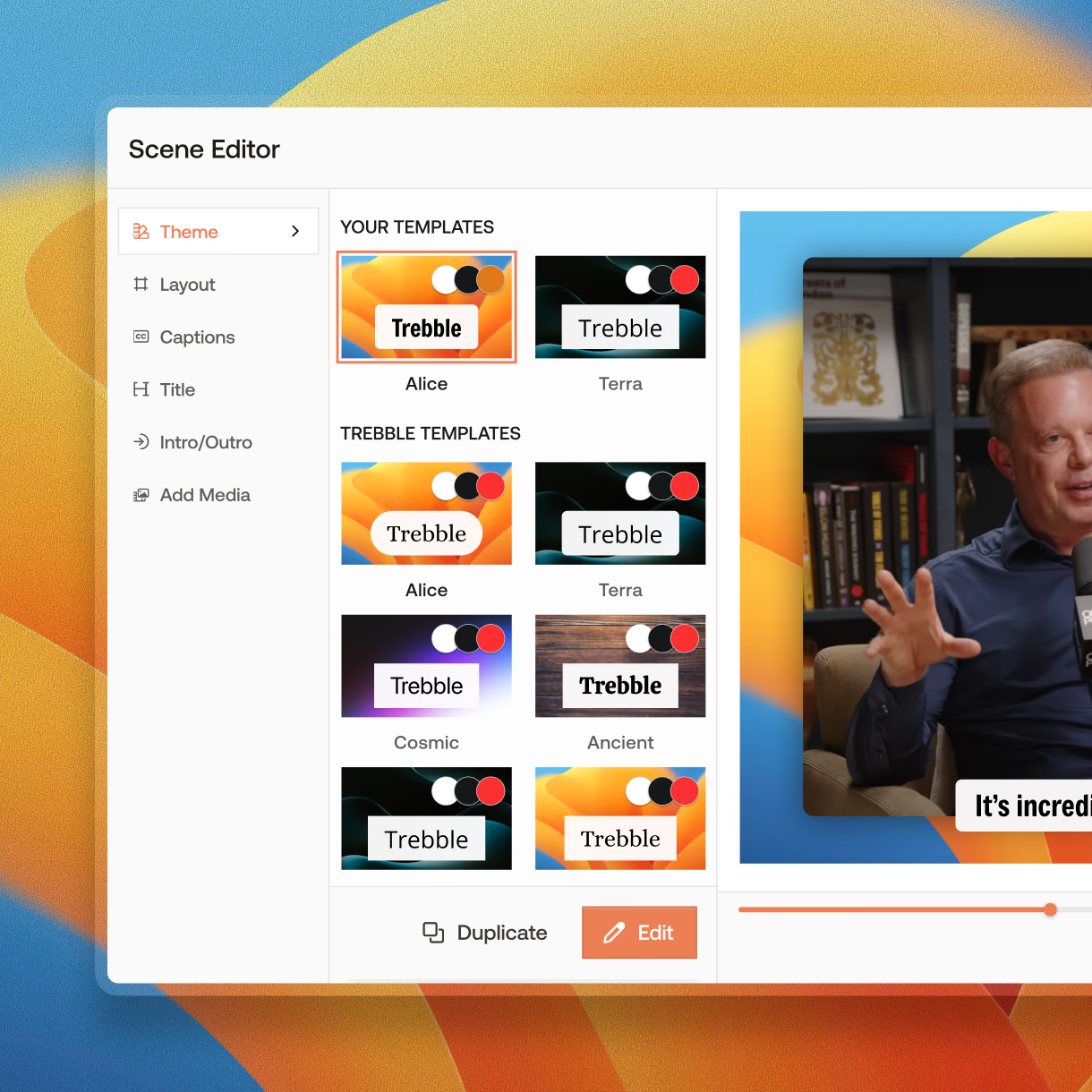
Trebble is an AI-assisted editor for people who make podcasts and video without being editors: recording, editing, and publishing, with AI doing part of the work a producer used to do by hand. Our role was the product design. Trebble’s own engineers built it.
Editing tools are dense products. Every screen carries many states, most actions have consequences that ripple across a timeline, and the person using it is mid-task, not browsing. The client needed the product designed to a level of precision that an engineering team could build from directly: flows, states, and components with rules.
Two decisions carried most of the value. First, the user flows were mapped before any interface was drawn, because in a tool like this the expensive mistakes are sequence mistakes: what happens after a recording ends, where an AI suggestion appears, what an undo actually undoes. Second, the interface was delivered as a component system rather than a stack of screens: named parts with defined states and usage rules, so that engineers could assemble new screens without a designer in the room and the product would still look like itself.
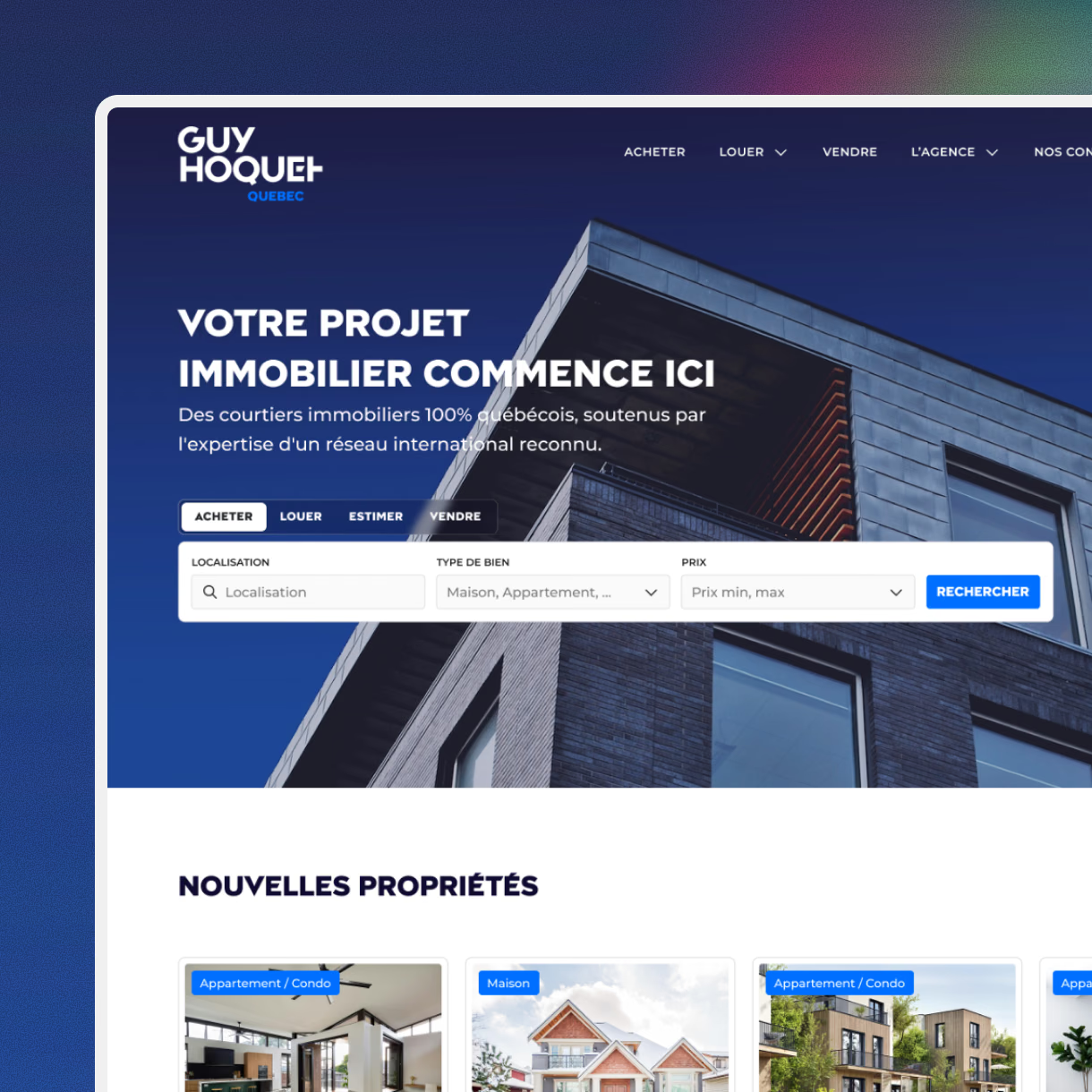
The flows, the interface, and the component system were delivered to Trebble’s engineering team, who built the product from them. For a full build, see Guy Hoquet Québec and Odessu.
What stood out was how quickly they understood our product and made every design decision feel intentional. It really feels like they are part of the team now.
Trebble
Two sentences start it. Here is what happens next.
It’s --:-- in Toronto. Write now and you’ll hear back by ….